"Weak Pope": Trump Sparks Diplomatic Crisis and Religious Outrage with AI Imagery
Is the feud between Trump and the Vatican affecting global diplomacy? Explore how the latest criticisms of Pope Leo XIV's foreign policy are reshaping political alliances in the US and Europe in 2026.
4/16/20262 min read
Trump vs. Pope Leo XIV: Geopolitical Friction and the Battle for Religious Influence
The relationship between the White House and the Vatican has reached a new boiling point. Recently, President Donald Trump launched a series of sharp criticisms against Pope Leo XIV, an American-born Pontiff, sparking a global debate that blends theology, election-year politics, and international diplomacy.
The Spark: A Call for Peace that Irritated Washington
During his Easter message, Pope Leo XIV issued a plea for a ceasefire in the Middle East and expressed solidarity with the Lebanese people—a nation where Christians make up nearly 35% of the population. While the international community largely viewed the message as a standard call for peace, it directly clashed with the current military strategies of the United States and its regional allies.
The Pope’s emphasis on the "moral obligation" to protect civilians and his reminder not to forget the conflict in Ukraine—at a time when US military aid is under heavy domestic scrutiny—was perceived by the Trump administration as an unwanted political interference.
"A Weak Pope": Trump’s Blistering Response
President Trump did not hold back, labeling the Pontiff as "weak" on crime and "terrible" at foreign policy. In a characteristically bold statement, Trump suggested that the Pope should be "grateful" to him, claiming that the selection of an American Pope was a strategic move aimed at improving relations with his administration.
"I don’t want a Pope who thinks everything is fine. He should stop pleasing the radical left and focus on being a good Pope," Trump stated, criticizing the Pontiff’s meetings with figures associated with the previous administration.
The AI Controversy: Blasphemy or Digital Art?
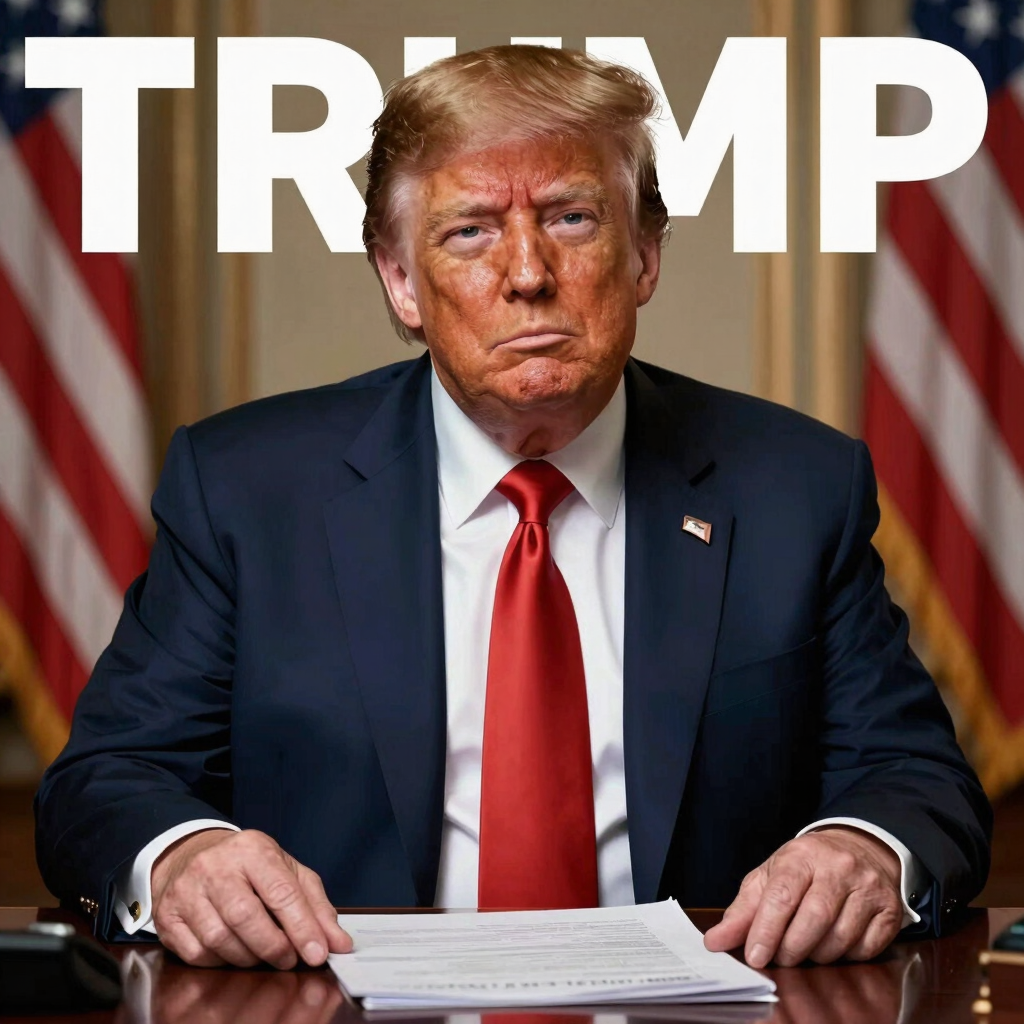
The friction escalated further when Trump shared an AI-generated image of himself in a white and red tunic, appearing to perform a miraculous healing. While the President claimed the image was a reference to the Red Cross and medical professionals, critics—including some within his own conservative base—labeled it as blasphemy, suggesting an intentional comparison to Jesus Christ.
This move has caused a stir among the American electorate, where the Christian vote is a decisive pillar for the "MAGA" movement.
Geopolitical Implications: The Pope as a Head of State
It is crucial to remember that the Pope is not just a religious leader; he is a Head of State. The Vatican wields significant "soft power," acting as a mediator in major international shifts, such as the 2014 rapprochement between the US and Cuba.
When Trump attacks the Pope, he isn't just arguing with a clergyman; he is creating diplomatic friction with an entity that influences over 1.2 billion Catholics worldwide. This tension is already showing effects in Europe, with leaders like Italy’s Georgia Meloni distancing themselves from Trump’s rhetoric to defend the Papacy.
Conclusion: A Risky Move in an Election Year?
As the Pope prepares for a historic 10-day trip to Africa—a continent facing intense civil wars and religious persecution—Trump’s attacks could alienate a crucial segment of the conservative vote. In a year where every percentage point matters, picking a fight with the Vatican might be one of the most unpredictable gambles of this campaign.