
The End of the "Trojan Horse": How Viktor Orban’s Downfall Isolated Putin in Europe
Viktor Orbán is out. Discover how Péter Magyar’s landslide victory in Hungary unlocks $105B for Ukraine and leaves Vladimir Putin isolated in Europe.
4/17/20262 min read
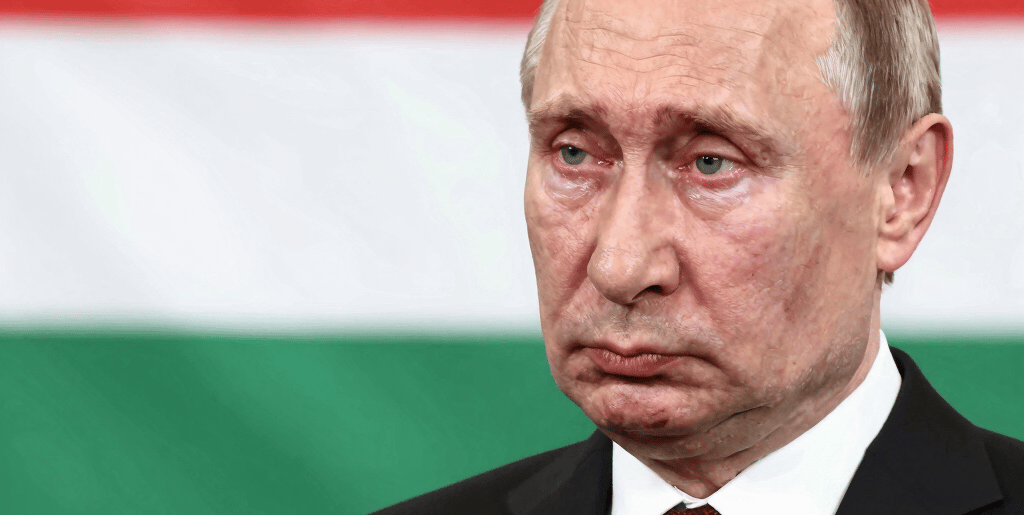
The Twilight of Orbán: The End of Moscow's Trojan Horse and the EU’s New Order
Last April 12, Hungary did more than just vote; it performed a political surgery that removed the main obstacle to European unity against Russian aggression. The landslide defeat of Viktor Orbán, after 16 years of a government marked by national-conservatism and strategic proximity to the Kremlin, sends shockwaves from Washington to Beijing.
1. The Magyar Factor: From Dissident to Constitutional Reformer
The rise of Péter Magyar and his Tisza party is a social mobilization phenomenon unprecedented in Hungary's modern history. With an 80% voter turnout—the highest since the fall of communism in 1990—the Hungarian population signaled a deep exhaustion with diplomatic isolation.
Magyar now holds a two-thirds "supermajority" in Parliament. In practical terms, this means he has the political capital to reform the Constitution and purge institutions of Orbán's cronies. For the market, this represents a drastic reduction in Political Risk, allowing Hungary to once again become a safe destination for Foreign Direct Investment (FDI).
2. The Capital Injection into Kyiv: Ending the 90 Billion Euro Ransom
For months, Orbán used Hungary’s veto power to "ransom" the European budget. The blockage of 90 billion euros (approx. 105 billion dollars) destined for Ukraine was the centerpiece of Putin's strategy to stifle resistance in Kyiv.
Military Impact: With Magyar signaling the immediate withdrawal of the veto, Ukraine receives the financial oxygen needed to sustain the fifth year of war. Two-thirds of this amount will be converted into contracts with the European and American defense industrial base.
Macroeconomic Support: The remaining funds will prevent hyperinflation in Ukraine, maintaining public services and the state payroll, thus preventing an even larger migration crisis in Europe.
3. The Oil War: The Druzhba Pipeline and the "Shadow Fleet"
The most sensitive point of Orbán's fall is energy security. Under Orbán, Hungary went against the European grain, increasing its dependence on Russian oil from 61% to a staggering 93%. The artery of this flow is the Druzhba (Friendship) pipeline, which ironically crosses Ukrainian territory.
The new government will have to manage the EU’s 20th sanctions package, aimed at destroying the Russian "shadow fleet." By supporting these sanctions, Hungary tightens the noose around Moscow’s primary export revenue source. However, Magyar will need technical skill to accelerate the transition to the Adria pipeline, via Croatia, to avoid supply shocks.
4. Social Impact and the Transcarpathia Question
Socially, Orbán’s Hungary lived under the narrative of "protecting Hungarian minorities" abroad, especially in the Ukrainian region of Transcarpathia. Orbán used the linguistic rights dispute of 150,000 people as a pretext to sabotage Ukraine's entry into the EU.
Péter Magyar inherits a strained bilateral relationship, but his pro-European stance is expected to change the tone. The victory of Magyar is, ultimately, the victory of a worldview where economic integration and respect for borders outweigh historical revisionism.
Keywords: Viktor Orbán, Péter Magyar, Hungary, 2026 Elections, Geopolitics, European Union, Russian Oil, Druzhba Pipeline, Ukraine, Economic Sanctions, NATO.