
The End of the Persian Cat: Why Iran’s F-14 Tomcat Fleet Finally Grounded in 2026
After 50 years of embargoes, smuggling, and reverse engineering, the Iranian F-14 Tomcat era is reportedly over. Discover how the world’s most iconic Cold War jet survived in the hands of a U.S. adversary until 2026.
4/17/20262 min read
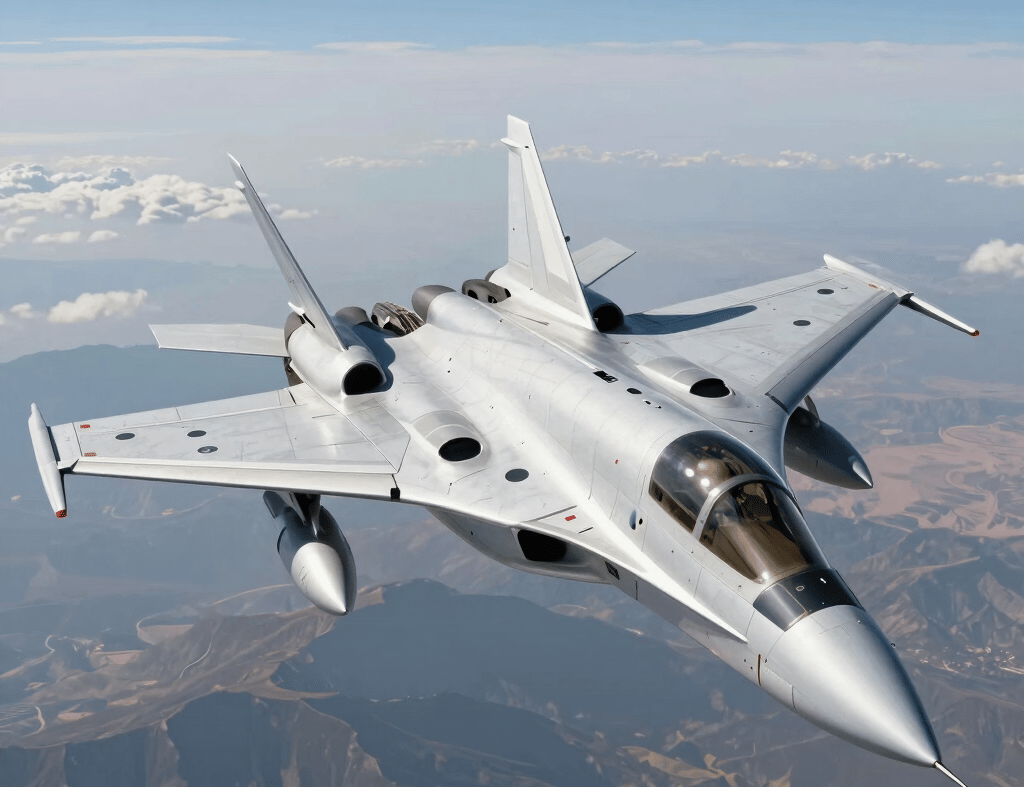
The Sunset of a Legend: Is the Iranian F-14 Era Finally Over in 2026?
For aviation enthusiasts and geopolitical analysts, the Grumman F-14 Tomcat is more than just a fighter jet; it is a symbol of American Cold War air superiority. But while the U.S. Navy retired its last "Tomcat" in 2006—even going as far as shredding the airframes to prevent parts from being smuggled—the Islamic Republic of Iran Air Force (IRIAF) kept a small fleet of these "Persian Cats" screaming through the skies for another two decades.
Now, in 2026, intelligence reports and satellite imagery suggest that the F-14's operational cycle in Iran has finally reached its terminal point.
A Multi-Billion Dollar "Blank Check"
The story began in 1972 when President Richard Nixon offered the Shah of Iran a "blank check" for American hardware to counter Soviet MiG-25 incursions. The Shah chose the F-14, signing the "Persian King" project—a $2 billion deal that effectively saved the Grumman Corporation from bankruptcy.
By 1979, Iran had received 79 of the 80 ordered jets and hundreds of AIM-54 Phoenix missiles—the most advanced long-range air-to-air weapon of its time. Then, the Revolution happened. Overnight, a key U.S. ally became a staunch adversary, and the F-14s became a high-tech headache for Washington.
50 Years Under Siege: The Engineering Miracle
How did Iran keep a complex, variable-geometry wing fighter flying for 47 years under a total arms embargo? The answer lies in a mix of:
Cannibalization: Sacrificing non-operational jets to keep a few "Alpha" airframes in the air.
Domestic Innovation: Utilizing 3D printing and reverse engineering to manufacture over 300 types of components, including the Fakour-90 (an Iranian version of the Phoenix missile).
Shadow Markets: Decades of cat-and-mouse games with U.S. federal agents to smuggle critical spare parts.
The 2026 Verdict
Despite their resilience, the recent escalations in the Middle East and the intensity of modern combat operations seem to have exhausted the last Iranian Tomcats. Analysts conclude that with no more airframes to cannibalize and critical structural fatigue, the IRIAF can no longer maintain a viable F-14 squadron.
If confirmed, 2026 marks the official death of a platform that was a "Supersonic Mini-AWACS" and a pillar of Iranian defense for half a century. The F-14 didn't die in a museum; it died in the sands of the Middle East, remaining a formidable threat long after its creators thought it was obsolete.
Keywords: F-14 Tomcat, Iran Air Force, Geopolitics, Military Aviation, Arms Embargo, Grumman, AIM-54 Phoenix, Reverse Engineering, Defense Economics, Persian King Project, Cold War Tech, 2026 Defense Trends.