Strait of Hormuz Closure: Why Iran Claims the US is Lying and What it Means for Global Energy
Iran re-closes the Strait of Hormuz after accusing the U.S. of 'strategic lies.' Discover why the ceasefire failed, the truth behind Ghalibaf’s 6-point rebuttal, and what Israel’s 'Yellow Line' means for global oil prices.
4/18/20263 min read
The Strait of Hormuz Standoff: Why the "Ceasefire" is a Ghost and Volatility is the New Hedge
The global energy market is currently staring down the barrel of a loaded gun. Despite the diplomatic theater of the past 48 hours, the Strait of Hormuz has been resealed, and the fragile "ceasefire" between Washington and Tehran is effectively a dead letter. For those of us with skin in the game, the takeaway is clear: the risk of a total maritime blockade is not just a tail risk—it is the baseline.
The Mirage of Diplomacy: Seven Lies and a Tactical Blunder
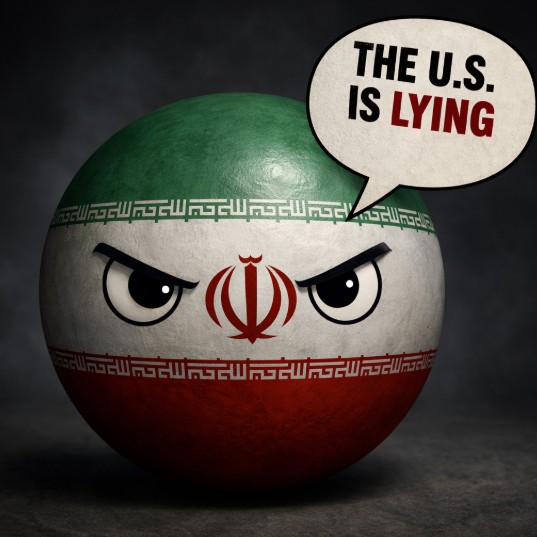
Tehran’s response to the Trump administration’s recent claims has been swift and surgical. Mohammad Bagher Ghalibaf, Speaker of the Iranian Parliament, issued a six-point rebuttal in the dead of night, calling out the White House for what he terms "media warfare."
The evidence suggests that the U.S. narrative—claiming Iran agreed to surrender its enriched uranium stockpiles—was more about optics for the domestic base than actual diplomatic progress. From an investor’s perspective, this "negotiation via social media" has backfired.
The core impasse remains:
Tehran’s Position: Total control of the Strait. Only civilian vessels allowed, following Iranian-designated routes, under IRGC supervision.
Washington’s Tactical Error: While Iran briefly signaled an opening of the Strait, the U.S. Navy attempted to maintain a blockade at the Gulf of Oman. This "double-lock" strategy failed. If the U.S. blocks Iranian exports at the exit, Iran has zero incentive to keep the gates open.
The "Yellow Line" in Lebanon: Israel’s Pre-Annexation Strategy?
While the world watches the tankers, the real trigger for the next leg of this conflict is being pulled in Southern Lebanon. The Israeli Defense Ministry, led by Israel Katz, has established what they call a "Yellow Line" south of the Litani River.
A boots-on-the-ground perspective reveals this isn't a security buffer—it’s a territorial claim. By declaring "activity" in this Lebanese zone as a breach of the ceasefire, Israel is effectively manufacturing a casus belli to resume kinetic operations.
The Gaza Playbook: This "Yellow Line" mirrors the strategy used in the Gaza strip—define an arbitrary line of "attention," wait for movement, and then escalate under the banner of "legitimate defense."
Implication for Markets: If Israel resumes bombing on Monday when the 20-day U.S.-Iran ceasefire expires, expect Brent Crude to price in a permanent "conflict premium."
Resistance as a Baseline: The Ayatollah’s Final Warning
The Supreme Leader, Ayatollah Ali Khamenei, has shifted the rhetoric from defense to "active resistance." Through IRGC-linked channels, the message to the "vanguard of arrogance" (the U.S.-Israel alliance) is one of technological defiance.
Technical Outlook for the Maritime Theater:
Drone Swarms: Tehran is signaling the use of lightning-strike drones against naval targets.
The Bitterness of Defeat: The Iranian Navy is no longer hiding behind proxies; they are positioning themselves as the primary guardians of the "Revolutionary path" since 1979.
Monday’s Deadline: The 20-day ceasefire window closes this Monday. Without a confirmed seat at the table in Islamabad, we are looking at a return to high-intensity aerial and maritime friction.
Investor Takeaway: Positioning for the "No-Deal" Scenario
The "Skin in the Game" reality is that the Trump administration’s current pressure campaign hasn't induced a collapse—it has induced a cornered-animal response.
Logistics Alert: If you are exposed to semiconductor supply chains (Heliun/Neon) or energy-heavy industrials, the Hormuz closure is no longer a temporary glitch. It is a structural shift in maritime law.
The Bottom Line: Don’t trade on the headlines; trade on the geography. Israel wants the conflict to persist for territorial gains; Iran needs the conflict to maintain internal leverage. The U.S. is caught in a tactical loop that lacks a plausbile exit strategy.
Keywords: Strait of Hormuz Blockade, U.S.-Iran Ceasefire 2026, Geopolitical Energy Risk, Israel-Lebanon Yellow Line, IRGC Maritime Strategy, Trump Iran Policy Analysis, Global Oil Supply Chain Volatility, Litani River Conflict, 2t Economics Market Intel.
The Foundation of Energy Geopolitics
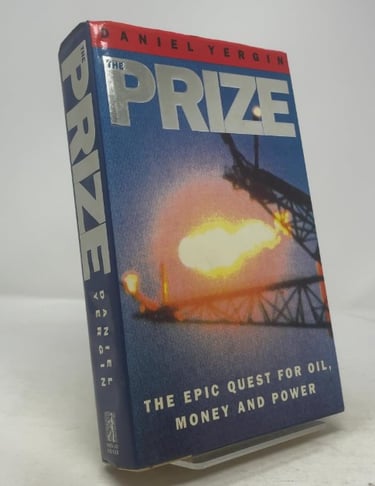
To truly grasp the current volatility in global energy markets, one must look back at the history of oil. Daniel Yergin’s 'The Prize' is not just a history book; it is a roadmap for understanding how energy has dictated the wealth and fall of nations for over a century. For any serious macro analyst or investor, this is required reading.
Get your copy of 'The Prize' here: https://amzn.to/4cvylBk