
IMF Warns of Global Economic Fragility Despite Potential Peace in the Middle East
Descrição do post.
4/16/20262 min read
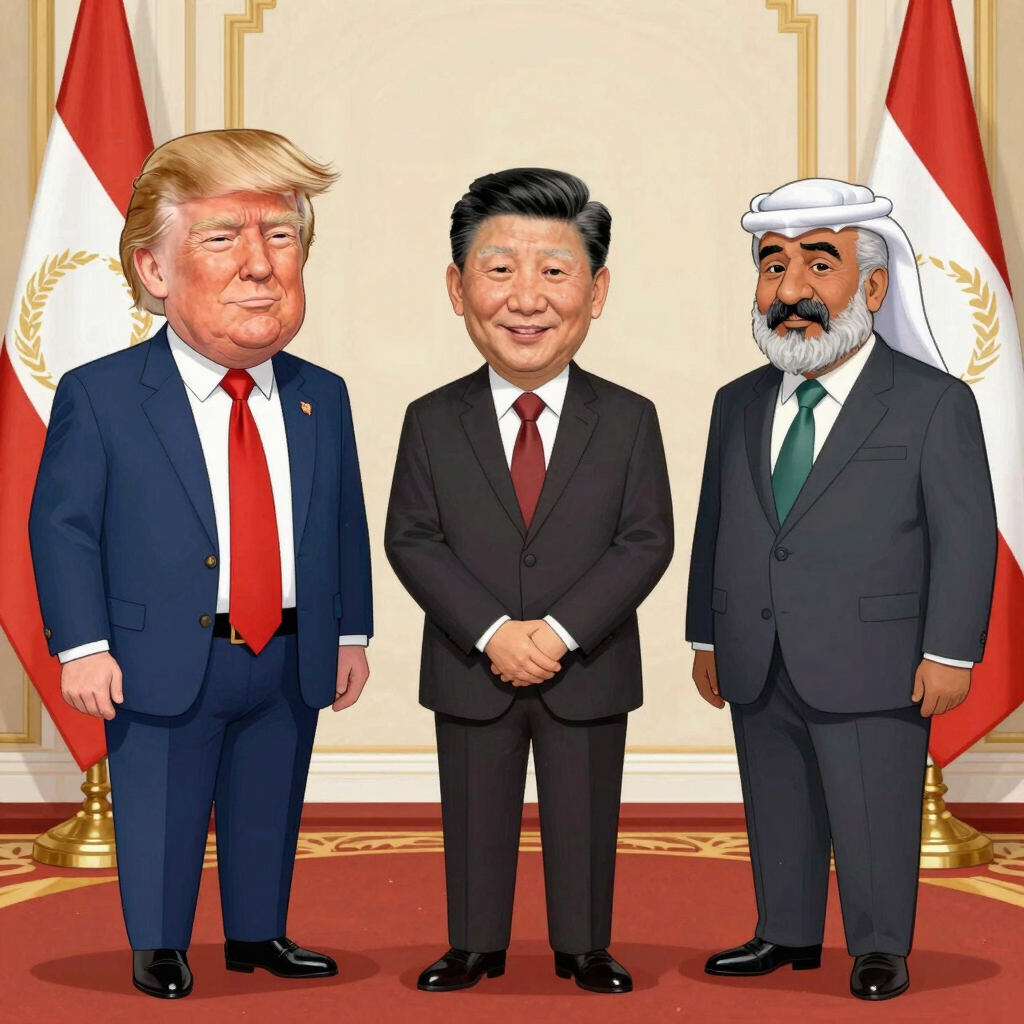
Global Economic Fragility: Why Peace in the Middle East May Not Prevent a Recession
By 2T Economics Editorial | April 16, 2026
The IMF recently issued a stark warning: even if a definitive peace agreement is reached between Israel, Iran, and the United States, a short-term global economic collapse remains a significant threat. While diplomatic efforts intensify, the structural damage to global trade and supply chains suggests that the "geopolitical fever" may leave lasting scars on the world economy.
The Strait of Hormuz: A Choke Point Under Pressure
The epicenter of the current crisis is the Strait of Hormuz. Despite President Trump’s claims of reopening the passage, the reality on the ground is more complex. Iran claims to have bypassed U.S. blockades on multiple occasions, maintaining a flow of approximately 1.85 million barrels of oil per day to its allies.
The potential for a "blockade within a blockade" has severely disrupted maritime logistics. Even if all barriers were removed today, the delayed production cycle, rising fertilizer costs (driven by regional instability and Russian market tactics), and energy insecurity have already compromised the global output for the upcoming quarters.
China’s Strategic Resilience and Shadow Cooperation
A surprising element of this conflict is China’s resilience. Despite being a major importer of Iranian oil, Beijing has diversified its energy matrix. Currently, Iranian oil represents only about 5% of China's total energy consumption. Furthermore, China has been aggressively stocking crude oil reserves—a move the U.S. Treasury suggests might be a strategy to manipulate global prices and fuel inflation in Western economies.
However, tensions remain high following reports from the Financial Times alleging that China provided satellite intelligence (via the TE-01B spy satellite) to assist Iranian strikes against U.S. positions, such as the Prince Sultan Air Base in Saudi Arabia. Beijing categorically denies these claims, labeling them as "speculative disinformation."
The Rise of a "European NATO"
Perhaps the most significant long-term shift is the growing rift between the U.S. and its European allies. Led by the UK, a coalition of European nations is discussing military actions in the Strait of Hormuz—independent of U.S. command. This "strategic autonomy" includes:
Independent Minesweeping Operations: Utilizing European technology to clear shipping lanes.
Military Escorts: Ensuring the safe passage of commercial vessels under European flags.
The "NATO without the U.S." Concept: A serious debate accelerated by the unpredictable nature of current American foreign policy.
Financial Implications for Investors
For the global market, the IMF recommends avoiding "protectionist reflexes." When supply chains break, countries tend to hoard resources and restrict exports, which only exacerbates global contraction.
For investors following a GARP (Growth at a Reasonable Price) strategy, the current scenario demands caution regarding:
Energy Volatility: Even with a ceasefire, the "risk premium" on oil remains.
Inflationary Pressures: Supply chain disruptions in fertilizers and semiconductors continue to threaten interest rate cuts.
Geopolitical Realignment: The decoupling of European and American military interests may create new "blue-chip" opportunities in the European defense sector.
Conclusion
The "peace" being negotiated in Pakistan this weekend might stop the missiles, but it won't immediately fix the global economy. As the IMF suggests, the world must prepare for a period of adjustment where the old certainties of "free-flowing trade" are being rewritten by regional powers.